Why 2026 looks bright for Northern Light sightings
Why 2026 Looks Bright for Northern Light Sightings
The year 2026 is predicted to be an exceptional year for Northern Light sightings due to increased solar activity.
…
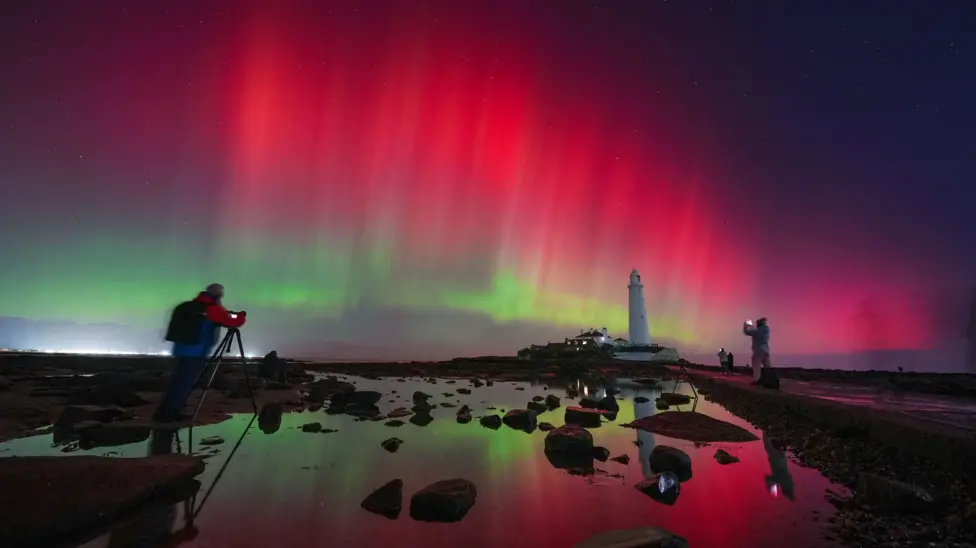
Why 2026 Looks Bright for Northern Light Sightings
The year 2026 is predicted to be an exceptional year for Northern Light sightings due to increased solar activity.
Scientists believe that the sun will be approaching the peak of its 11-year solar cycle in 2026, which means more frequent and vibrant displays of the Northern Lights.
In addition, 2026 is also expected to be a period of minimal light pollution, making it easier to see the Aurora Borealis from a wider range of locations.
Advancements in technology, such as improved cameras and apps that track solar activity, will also make it easier for people to capture and share their Northern Light experiences.
2026 is also projected to be a year of relatively stable weather patterns, decreasing the likelihood of cloudy skies that can obstruct views of the aurora.
With more people becoming interested in experiencing the beauty of the Northern Lights, tourism to regions known for aurora sightings is expected to increase in 2026.
Overall, the convergence of these factors suggests that 2026 will be a prime time for anyone hoping to witness the awe-inspiring phenomenon of the Northern Lights.