How Protesters Became Content for the Cops
How Protesters Became Content for the Cops
In recent years, protests have become increasingly common as people seek to make their voices heard on social and political issues. However,…
How Protesters Became Content for the Cops
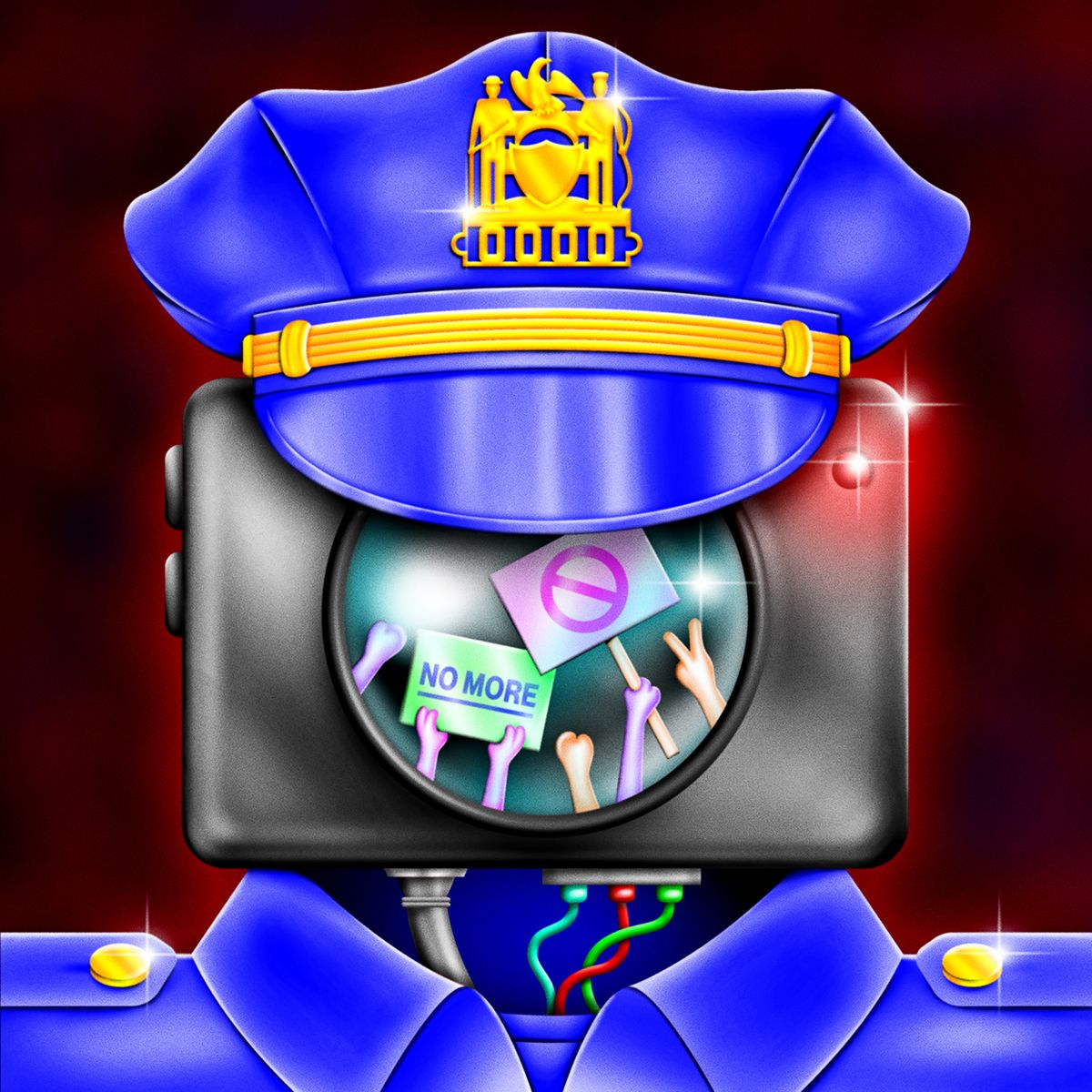
In recent years, protests have become increasingly common as people seek to make their voices heard on social and political issues. However, these protests have also become a source of content for law enforcement agencies.
With the rise of social media and live streaming platforms, protesters have been able to document their actions and share them with the world. This has given law enforcement agencies unprecedented access to real-time information about protest movements.
As a result, police have been able to monitor and track protesters more effectively than ever before. This has raised concerns about privacy and freedom of speech, as protesters worry about being targeted for their activism.
In some cases, law enforcement agencies have even used protesters’ own social media posts as evidence in criminal cases. This has led to calls for increased awareness about digital privacy and security among activists.
Despite these challenges, protesters continue to take to the streets to demand change and fight for social justice. They recognize the risks involved, but are determined to make their voices heard no matter the cost.
As protests continue to be a major feature of our society, it is important for both protesters and law enforcement agencies to understand the implications of this new era of digital activism. Only by working together can we find a balance between freedom of speech and public safety.
Ultimately, protesters must remain vigilant and protect their digital identities while fighting for the causes they believe in. By doing so, they can ensure that their voices are heard without becoming mere content for the cops.